
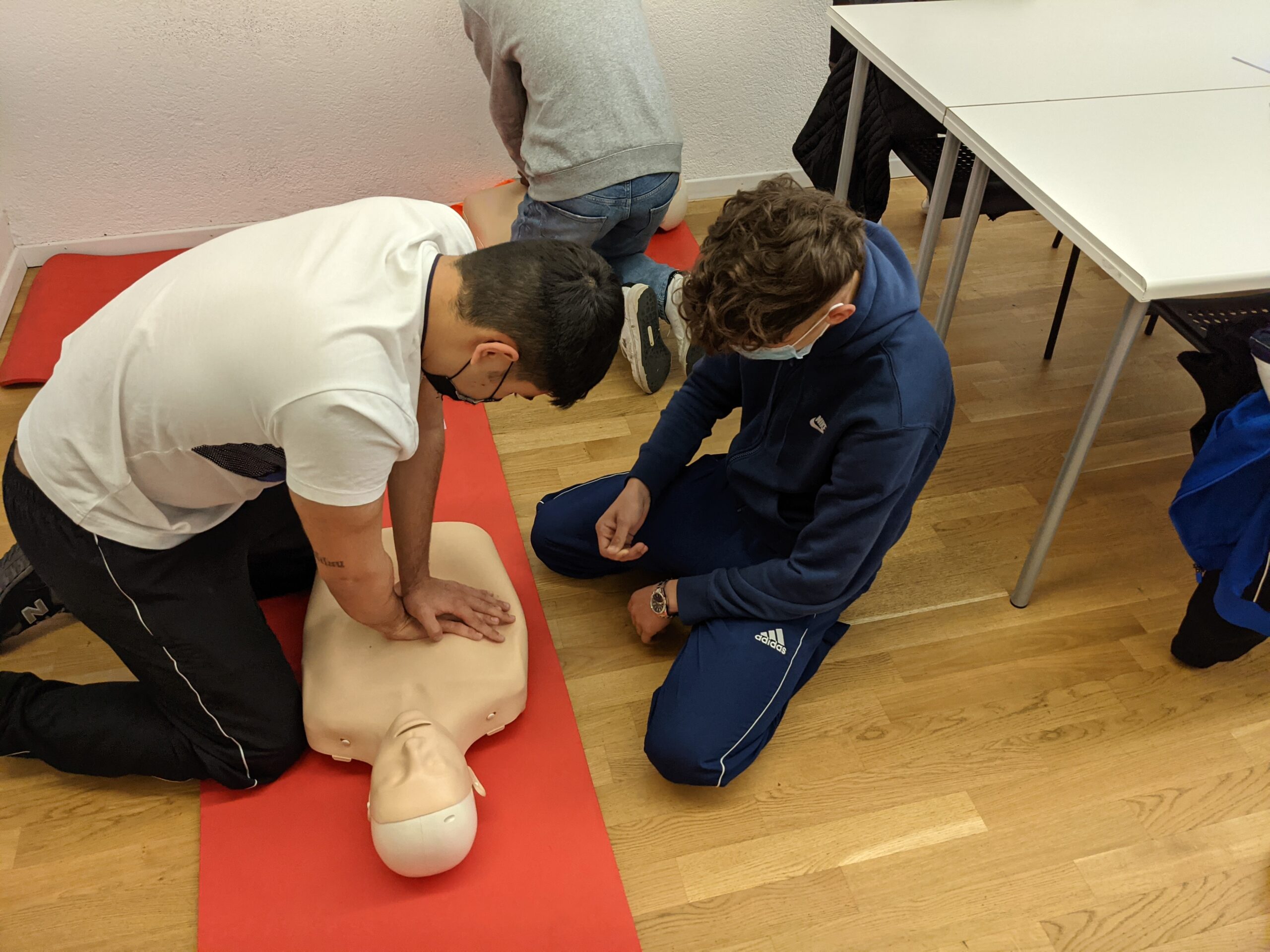
Accidents and emergencies can happen in seconds, and should something happen to a person around you, you want to be thoroughly prepared to help. CPR is one of those essential skills you should learn to save a life. Cardiopulmonary resuscitation, or CPR, is a life-saving technique used to revive someone who has stopped breathing or has no heartbeat. It is a vital skill that can be used in a wide range of emergency situations, from drowning to cardiac arrest.
It is important for all people to know how to perform CPR, or have the basic understanding of it in case someone around them gets into trouble. In this blog, we will discuss what CPR is, when it is needed, how to perform CPR, and why it is so important.
What is CPR?
CPR is a technique that involves chest compressions and rescue breaths. Chest compressions are used to manually pump blood through the body, while rescue breaths provide oxygen to the lungs. When performed correctly, CPR can help keep the brain and other vital organs alive until medical help arrives.
When is CPR needed?
CPR is usually needed in emergencies where someone has stopped breathing or their heart has stopped beating. These situations can be caused by a variety of factors, including heart attacks, drowning, drug overdoses, or accidents that result in trauma to the chest.
A Step-By-Step Guide to Performing CPR
CPR should be performed by someone who has been trained in the technique. If you have not been trained, call for emergency medical services and wait for help to arrive.
However, if you are trained, the following steps can help guide you through the process:
- Check the scene
Ensure the area is safe for you to perform CPR. You want no further harm to come to the patient, or yourself. .
- Check for responsiveness
Shake the person’s shoulders and ask if they are okay. If there is no response, call for help and start CPR. You want to be checking for responsiveness, breathing, life-threatening bleeding or other life-threatening conditions using the shout-tap-shout technique.
- Position the person
Lie the person on their back on a firm surface. Move any obstacles out of the way and make sure they are flat on the surface with nothing under them.
- Open the airway
Tilt the person’s head back and lift their chin.
- Check for breathing
Look for chest movement and listen for breathing sounds.
- Begin chest compressions
Place your hands on the center of the person’s chest, with your arms straight and shoulders directly above your hands.
Push down firmly and quickly, using the weight of your body to compress the chest about 2 inches.
Give 30 chest compressions. Count them out while you are doing them if that helps.
Important to note:
Hand position: Two hands centered on the chest;
Body position: Shoulders directly over hands; elbows locked;
Rate: 100 to 120 per minute;
Allow the chest to return to normal position after each compression.
- Give 2 breaths
Open the airway to a past-neutral position using the head-tilt/chin-lift technique
Ensure each breath lasts about 1 second and makes the chest rise; allow air to exit before giving the next breath.
It is also important to pinch the person’s nose in order for the breaths to effectively enter their lungs.
- Watch the chest
If the 1st breath does not cause the chest to rise, retilt the head and ensure a proper seal before giving the 2nd breath If the 2nd breath does not make the chest rise, an object may be blocking the airway
- Repeat:
Continue with a cycle of 30 chest compressions and two rescue breaths until help arrives or the person shows signs of life.
Giving CPR to a Child Or Baby
Giving CPR to a baby is a delicate process that requires a slightly different approach than adult CPR.
- Confirm that the baby is unresponsive and not breathing
To do this, gently tap the baby’s foot and call out their name, and then check for breathing by placing your ear next to their mouth and nose.
- Start breaths
If the baby is not breathing, start with five rescue breaths by covering the baby’s mouth and nose with your mouth and blowing in until you see their chest rise.
- Begin compressions
Next, place two fingers on the baby’s breastbone, just below the nipple line, and press down with a steady and rhythmic motion, using only two-thirds of your strength.
Perform 30 chest compressions followed by two rescue breaths, repeating the cycle until medical help arrives or the baby shows signs of life.
Remember to use only one hand for infants under three months and two hands for infants three to 12 months.
It’s important to note that giving CPR to a baby can be difficult, so it’s important to seek proper training from a certified organization.
Why is CPR important?
CPR is important because it can help save lives. In fact, performing CPR within the first few minutes of a cardiac arrest can double or triple the person’s chances of survival.
Even if the person does not survive, CPR can help to maintain their vital organs and preserve their brain function until medical help arrives.
The Bottom Line
In conclusion, CPR is a life-saving technique that can help revive someone who has stopped breathing or has no heartbeat. It is important to learn how to perform CPR and to seek training from a certified organization. Being prepared to perform CPR can make all the difference in an emergency situation, and it can help to save a life.
If you would like to know more about CPR, or would like to be trained in it, contact Fourways Urgent Care for more information.